Continue with

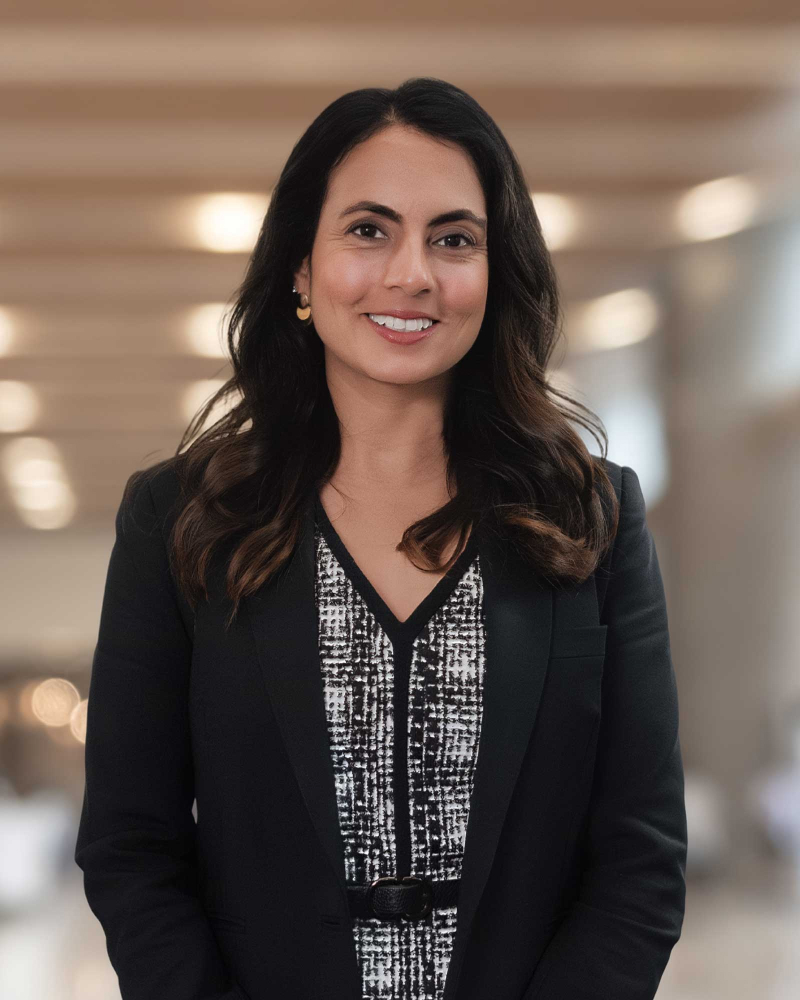
A breast and general surgeon working across multiple sites, whose letters used to follow her home, now go out before the patient reaches reception.


On a heavy week, Dr Samriti Sood could be up till midnight writing her letters. Breast cancer consults can't be rushed. Breaking bad news. Sitting with a family. After a conversation like that, it's hard to turn straight to dictating the last patient's letter, and her old workflow depended on doing exactly that.
That workflow was voice-to-text dictation, squeezed in between patients. On a steady day she might get through 30% of her letters during clinic hours. On a busy one, close to none. The rest came home with her.
Dr Sood is a breast and general surgeon with consulting rooms in North Sydney and the Northern Beaches, and also covers acute general surgery at Royal North Shore Hospital. She sees around 50 patients across two and a half days in her rooms and spends one and a half days in theatre, and every one of those patients needs a letter.
New patient letters are long, dense, with more history and more decisions to capture than any other letter. They were also the ones most likely to be left unfinished at the end of a clinic.

There's a lot of nuances that it captures that normally I would overlook. It's the new patients that it's game-changing.
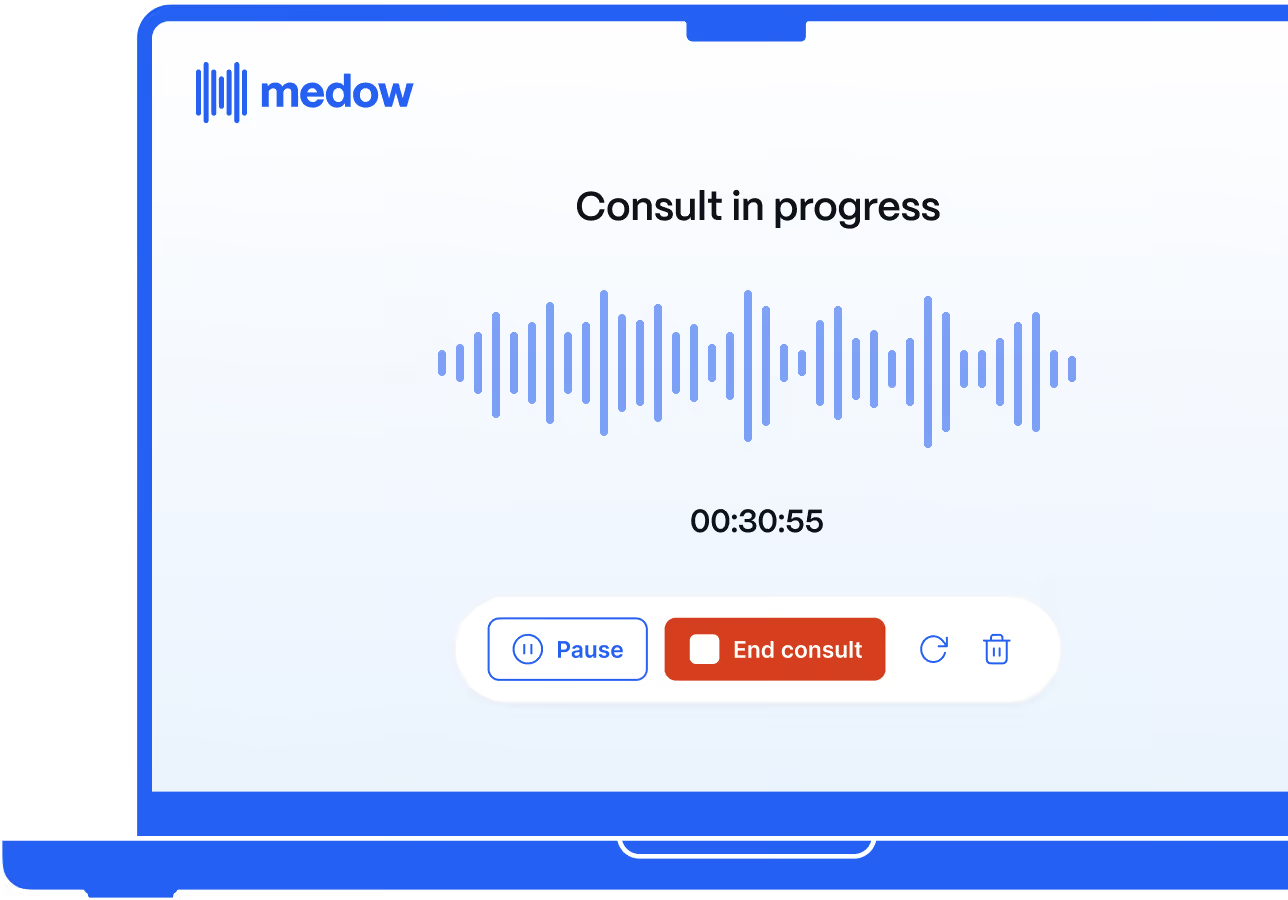
The letter is now drafted during the consultation. Dr Sood reviews it, signs it off, and it goes straight to her front desk to send, often before the patient has finished checking out. Nothing is left waiting for her at home.
I don't have to edit the letter too much... I'm happy with the language it's using. It's capturing what I need in the right paragraphs. From my end, it’s not lingering there for me to do when I get home.
Medow builds a dedicated AI model for each specialty, refined by in-house doctors, engineers and experts in the field. Dr Sood's letters got where they are through that work, plus a standing feedback loop with her Customer Success Manager, Tara, who she could go back to week after week until the output matched the way she writes.
Beyond the letters and notes, every consultation leaves a transcript, and its value often shows up later, if a patient can't remember what was discussed. Instead of relying on memory, Dr Sood can go back to the record of the conversation itself.
The transcript has been useful to say to the patients, ‘remember what we talked about’.
Dr Sood's clinic days still start at 8:30 and run without a break until she leaves. What's changed is what comes after. Two to three hours a week she no longer spends on letters at home. When the clinic finishes, the letters are too.
In 2024, co-founder Josh Freiberg came to her rooms to talk about what he and his brother Joel were building.
Josh was really passionate about his company, and it's always a good thing to have a founder come and talk about it... I just had a gut feeling.
Since then she has referred Medow to multiple colleagues, even those using other AI scribes.
Still finishing your clinic letters after the kids are in bed?
See how Medow fits a surgical workflow at medowhealth.ai